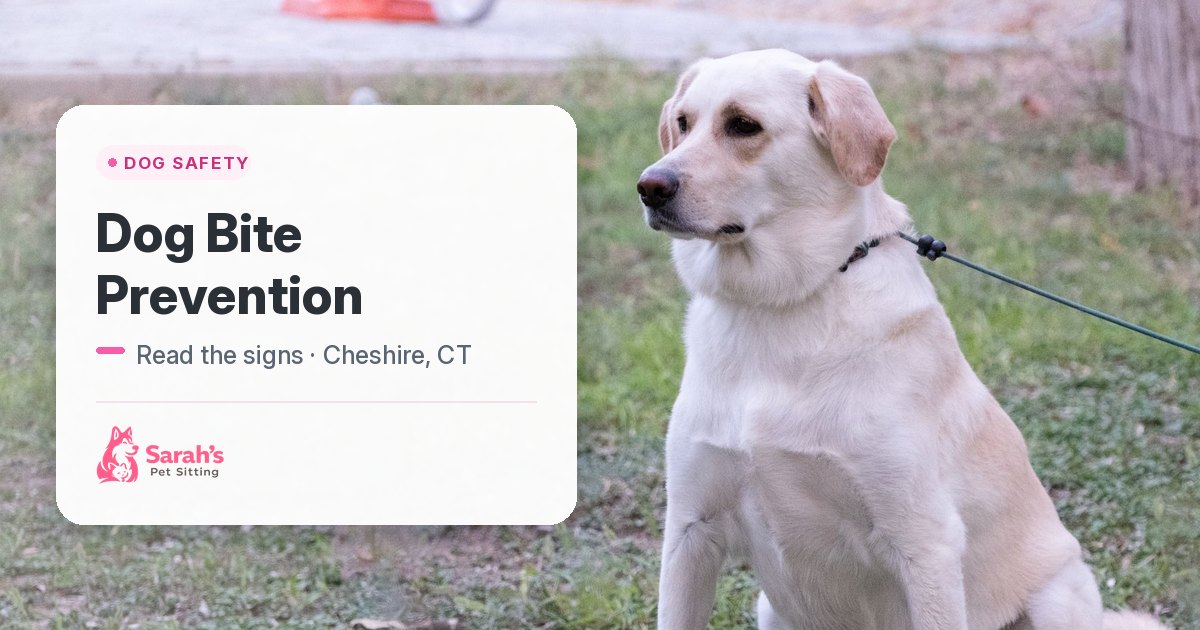
Dog safety · Bite prevention
Dog Bite Prevention: How to Read the Signs and Keep Everyone Safe
Any dog can bite. Here’s what we watch for on our walks, how to handle kids and strangers, and what to do if a bite does happen.
Quick answer
The CDC says most dog bites are preventable. Learn your dog’s warning signs and give a worried dog space, never leave a young child alone with any dog, ask before petting someone else’s dog, and keep your dog on a leash in public. If a bite happens, wash it with soap and water, get medical advice, swap rabies vaccine information and report it to your local animal control or police.
At a glance
Our team walks a lot of dogs, and over the years we’ve learned to spot the small signs that a dog is uncomfortable long before a growl or a snap.
Most people only know their own dog that well. Here’s what we look for and the simple habits that keep dogs, kids and neighbors safe, any time of year.
The why
Why do dogs bite?
Any dog can bite, no matter the size, age or how sweet they seem at home. The AVMA says most bites are a reaction to a situation, like:
- Feeling scared or startled.
- Defending themselves or their space.
- Sensing a threat.
- Guarding something they value, like food, a toy or puppies.
- Feeling sick or in pain.
Body language
Dog body language before biting
According to the AVMA, a worried dog may yawn, put their ears back or raise a paw. As they get more uneasy, you might see a tucked tail, a dog lying down with a leg up, or a stiff body and a hard stare. A growl, snap or bite is the dog saying they want to be left alone, right now.
A wagging tail isn’t always a happy dog. The AVMA points out that one dog wags because they want to play, and another wags because they’re nervous. Look at the whole dog.
A relaxed dog who seems glad to see you is usually fine to greet, with the owner’s OK. If a dog turns or walks away, let them go. If they seem tense or are staring, give them space.
Before anyone greets your dog, check in on how your dog is feeling. It’s always OK to say “not today.”
On the walk
Stay calm and keep it loose on walks
Here’s something we see all the time while walking dogs. Another person spots us coming, then suddenly stops, drags their dog across the street, turns around, or tenses up and pulls the leash tight.
I get it, but that can confuse a dog and teach them that people and other dogs mean trouble. If you want a calm dog around people and dogs, stay calm and relaxed yourself.
A few habits that help on every walk:
- Leashed walks only. The AVMA and CDC both list using a leash in public as part of preventing bites.
- A short leash. Our sitters usually carry a short 4-foot leash, and we avoid retractable leashes unless it’s the only one in the house.
- Space when a dog needs it. If a dog seems uneasy, calmly move them away from whatever is bothering them. That’s the AVMA’s advice too.
More walk tips are in our post on safely walking dogs.
Kids and dogs
Kids and dogs: supervision and permission
Kids love dogs and will often run right up to one they’ve never met. The CDC says children are more likely than adults to be bitten, their injuries tend to be more serious, and most bites to young kids happen during everyday activities with dogs they already know.
- Always supervise. Never leave a baby or young child alone with a dog, even your own (AVMA, CDC).
- Ask first. Teach kids to ask the owner before petting any dog, and never to reach through or over a fence.
- Let the dog come to them. The CDC suggests letting the dog approach, standing still, and making sure the dog has seen and sniffed you before you pet.
- Leave resting dogs alone. Don’t bother a dog who is eating, sleeping or caring for puppies.
- Step in early. If a child is approaching your dog in a way you don’t feel good about, it’s OK to stop them kindly.
Expecting a baby? We walk through it step by step in how to introduce your dog to a new baby.
Meeting new dogs
How to greet a dog you don’t know
- Go slow. Approach calmly and don’t loom over the dog (AVMA).
- Skip the stare. The AVMA says direct eye contact or walking straight at an unfamiliar dog can feel threatening.
- Stay still if a dog sniffs you. Most move on once they decide you’re not a threat.
If a loose dog comes at you, the CDC says to stay still and calm, avoid eye contact, and slowly back away. If you’re knocked down, curl into a ball and cover your ears and neck with your hands. You can call animal control if you see a dog running loose.
If it happens
Precautions after a dog bite
I’m a veterinary technician, not a doctor, so here’s what the CDC and AVMA say to do. When in doubt, call your doctor.
If you’re bitten
- Wash it. Clean the wound well with soap and water as soon as you can. For a minor wound, the CDC suggests antibiotic cream and a clean bandage.
- Stop the bleeding. For a deep wound, press a clean, dry cloth on it and get medical care right away. Call 911 if the bleeding won’t stop or you feel faint or weak.
- See a healthcare provider if the wound is deep or infected, the dog’s rabies vaccine status is unknown, or your last tetanus shot was more than 5 years ago (CDC).
- Get the details. Ask for the owner’s name and contact information and proof of the dog’s rabies vaccination.
- Report it. The CDC says to report dog bites to your local animal control agency or police department, especially if you don’t know the dog’s rabies status.
If your dog bites someone (AVMA)
- Restrain your dog and move them somewhere safe.
- Check on the person, make sure the wound is washed with soap and water, and encourage medical advice. Call 911 if paramedics are needed.
- Share your name, address, phone number and your dog’s latest rabies vaccination.
- Follow local rules for reporting bites, and talk to your vet.
Prevention
Keep your own dog bite-safe
These come from the AVMA and the CDC.
- Socialize gradually. Introduce your puppy to new people, places and animals a little at a time, and keep it up as they grow.
- Keep up with vet care. Stay current on rabies and other vaccines and checkups. The AVMA notes that dogs in pain are more likely to bite.
- Skip the rough play. The AVMA suggests avoiding wrestling and tug-of-war, and the CDC says never to encourage rough play.
- Plan for deliveries and guests. Put your dog in another room, a crate or a fenced area when a delivery is coming, keep gates latched, and see our holiday safety tips for pets.
- Call your vet about sudden changes. If your dog’s fear or aggression seems out of the blue or over the top, the AVMA says to have your vet look for a cause.
When you book with us, tell us at your meet & greet if your dog is nervous with new people, guards food or toys, or reacts to other dogs. It helps your sitter set your dog up for a good visit from day one.
FAQ
Common questions
Are some breeds more likely to bite?
The AVMA says there’s little evidence for that. Watch the dog in front of you, not the breed.
Do you offer dog training for biting or aggression?
No. We no longer offer dog training. If you’re worried about your dog’s behavior, start with your vet, who can check for pain or illness and point you to the right help.
Our team is based in Cheshire and walks dogs at home in Southington, Wallingford, Hamden, North Haven, Meriden and New Haven. You can see the whole service area in one place.
Want a walker who knows the signs?
Tell us about your dog and your schedule, and our office will reach out to set up your meet & greet.
Get Startedor call or text 203-439-0456
Sources (checked Nov. 19, 2026): AVMA, Preventing dog bites; CDC, Dogs (Healthy Pets, Healthy People); Sarah’s Pet Sitting, Dog Walking. This post is general safety information, not medical advice. Call your doctor about any bite, and your vet about your dog’s behavior.