Cat Care · Nutrition
The Best Cat Food For Weight Loss
What my parents’ cat Lillian taught me about wet food, meal feeding and keeping a cat at a healthy weight.
Quick answer
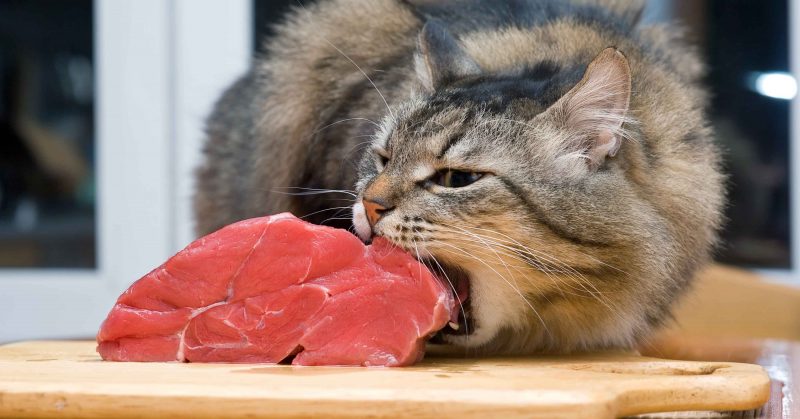
For many overweight cats, the best food for weight loss is a measured amount of canned (wet) food fed as meals instead of a bowl of dry food left out all day. The vets at the Cornell Feline Health Center say canned food usually has more protein and fewer carbohydrates than kibble, and free-feeding dry food is a major cause of feline obesity. Always plan weight loss with your veterinarian. Losing weight too fast can be dangerous for cats.
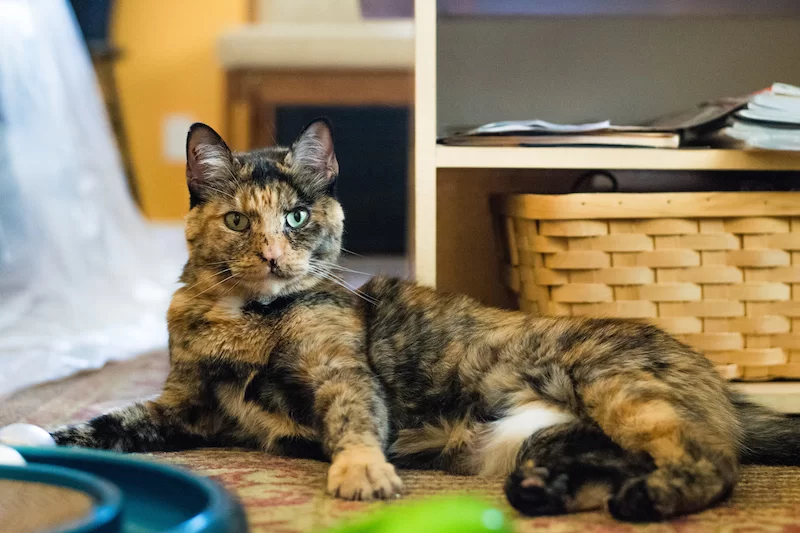
I had the pleasure of some snuggle time with my parents’ cat Lillian this morning. She’s fit and healthy, which is somewhat of an anomaly: the trim domestic feline is almost mythical. So what’s her secret?
Talk to your vet first. This article is general information, not veterinary advice. Your vet can tell you your cat’s ideal weight and how many calories to feed.
A true story
Lillian’s story
Lillian goes outside, which I don’t recommend (my own cats are strictly indoor), so she gets plenty of exercise. But exercise isn’t everything when it comes to keeping fit. The key is diet.
Lillian doesn’t eat a prescription diet, and she doesn’t eat any dry cat food. When I looked in her food cabinet, I found good ole canned Fancy Feast.
About a year before I first wrote this, my parents switched her to a wet-food-only diet, after a lot of begging on my part. What finally convinced my father was catinfo.org, a site on feline nutrition by veterinarian Lisa A. Pierson, DVM. After a few months, they noticed Lillian had lost a lot of weight. They brought her to the vet fearing the worst, but her exam and blood work came back healthy. She was also much friendlier than I remembered.
Nutrition
Why wet food helps
Cats are carnivores that evolved to eat animal protein. Dry food is often left out all day, and that’s where weight gain often starts. Here’s what the Cornell Feline Health Center says:
- Free feeding is a major factor. A bowl of dry food available all day is one of the main causes of feline obesity.
- Canned food usually has more protein and fewer carbs than kibble, and its high water content increases your cat’s fluid intake.
- Feed meals, not a full bowl. Canned food makes it easier to feed measured meals instead of letting a cat graze.
A good habit for any food: read the label and look at the first few ingredients. Under FDA rules, pet food ingredients are listed in descending order by weight, so the first ones make up the most of the food. Look for named animal proteins like chicken or fish at the top of the list. If you’re comparing low-calorie pâtés or other canned foods, check the calories per can on the label, too.
Fancy Feast
Is Fancy Feast good for cats?
Fancy Feast may be inexpensive grocery store cat food, but for Lillian, the classic canned pâté worked. According to Purina’s product label, the first five ingredients in Fancy Feast Classic Chicken Feast are chicken, chicken broth, meat by-products, liver and fish. The label says it’s formulated to meet AAFCO nutrient profiles for all life stages, and each can has 91 calories.
We can debate pet food brands until the cows come home. Whatever food you choose, a complete and balanced wet food fed in measured meals can be a small, easy and affordable change for weight management. Ask your vet which food and portion are right for your cat, especially if your cat has a medical condition.
Safety first
How to help your cat lose weight safely
You’re not alone if your cat is a little chubby. In the Association for Pet Obesity Prevention’s 2025 survey, 43% of cat owners described their cat as above ideal weight.
Keep your cat’s diet on track while you’re away
Our cat sitters follow your feeding instructions at every pet sitting visit, measured portions included. See our Services & Pricing. You’ll meet with a member of our team before your first service.
Proudly Serving Cheshire, Southington, Wallingford, Hamden, North Haven, Meriden and New Haven
or call or text 203-439-0456
Sources (checked Oct. 23, 2026): Cornell Feline Health Center: Obesity; Cornell Feline Health Center: Hepatic Lipidosis; Cornell Feline Health Center: Ask Elizabeth; Purina: Fancy Feast Classic Chicken Feast label (PDF); FDA: Animal Food Labeling and Pet Food Claims; APOP: 2025 Pet Obesity Survey; catinfo.org. Sarah’s Pet Sitting isn’t affiliated with Purina or any pet food brand, and we don’t earn anything from the links in this article.
















I just switched my 16 pound cat to Fancy Feast canned about two months ago and he has lost one pound. He is down to 15 pounds. Fancy feast was recommended by his vet and his coat is much softer now and doesn’t feel dry.
LOL, what other foods did you test? 9 lives and Friskies?
have 1 cat alt Male who at 15 pounds was told Sience diet Light !
Well he his Mom and little sis all went to Get today…
He is now 20 pounds, little sis is 16.7 and Mom Cat tad over 10.
And they fussed at me for allowing him to become obese and sis to fat.. Yet all three have one small can 9 lives every day or so, and dry light Science Diet.. I wasn’t happy with the vet and she wasn’t happy how I care for my 3 totally indoor cats. Horrors they aren’t up on shots!!! Sick of being told how to care for my cats at a cost of 500.00.I can buy salmon in a can, meat at the deli.etc blenders do have a use other then smoothies
How many cans in 24 hour for 15 lb cat. or 15 pound cat
My 21 pound cat has been on fancy feast for years since 2014 and he has not lost any weight. He’s hungry all the time. The vet did say it is a better food because of the wet food however he hasn’t lost any weight and he has not gained any more weight either.
He is 12 years old now.
Learnt a lot from this post! Cheers 🙂