Dog health · Poop eating
Why Does My Dog Eat Poop? What Helps and When to Call the Vet
It’s gross, it’s common, and it usually doesn’t mean something is wrong with your dog. Here’s what the research says and what actually helps.
Quick answer
Eating poop, called coprophagia, is common. In a UC Davis survey of 1,552 dog owners, 16% of dogs had been seen eating dog poop at least six times. Many puppies do it and grow out of it. If an adult dog starts, see your vet to rule out medical causes. Day to day, the things that help most are simple: pick up poop right away, keep the litter box out of reach, and keep your dog on a leash and supervised outside.
At a glance
Few things make a dog owner groan like watching their dog go back for a “snack” in the yard.
If your dog does this, you’re not alone, and it doesn’t mean you’ve done anything wrong. We love our dogs, but some of their habits are hard to love. Here’s what’s known about why dogs eat poop, when it’s worth a call to your vet, and the everyday habits that make the biggest difference.
Normal or not
Is it normal for dogs to eat poop?
For some dogs at some ages, yes. The AKC explains that mother dogs clean up after their puppies by eating their poop for about the first three weeks. Puppies explore the same way, and most grow out of it before they’re about 9 months old.
It isn’t only a puppy thing, either. In the UC Davis study led by Dr. Benjamin Hart, 16% of dogs had been seen eating dog poop at least six times, and 23% at least once. VCA’s veterinary behaviorists note that puppies usually outgrow it with good nutrition, direction and supervision.
The reasons
Why dogs do it
The UC Davis researchers compared poop-eating dogs with dogs that never did it. Here’s what stood out:
- Greedy eaters. 51% of the poop eaters were described as greedy eaters, compared with 28% of the other dogs.
- More than one dog at home. Dogs in homes with two or more dogs were more likely to eat poop.
- Fresh poop. In the second survey, 85% of frequent poop eaters went for stools no more than 2 days old.
- Breed group. Terriers and hounds were the most likely groups.
Just as interesting is what didn’t matter. Sex, age, diet and how easily the dog was housetrained made no difference. The researchers think the habit may come from wolf ancestors, who kept the den clean by eating fresh feces before parasite eggs in them could develop into infective larvae, which takes a few days.
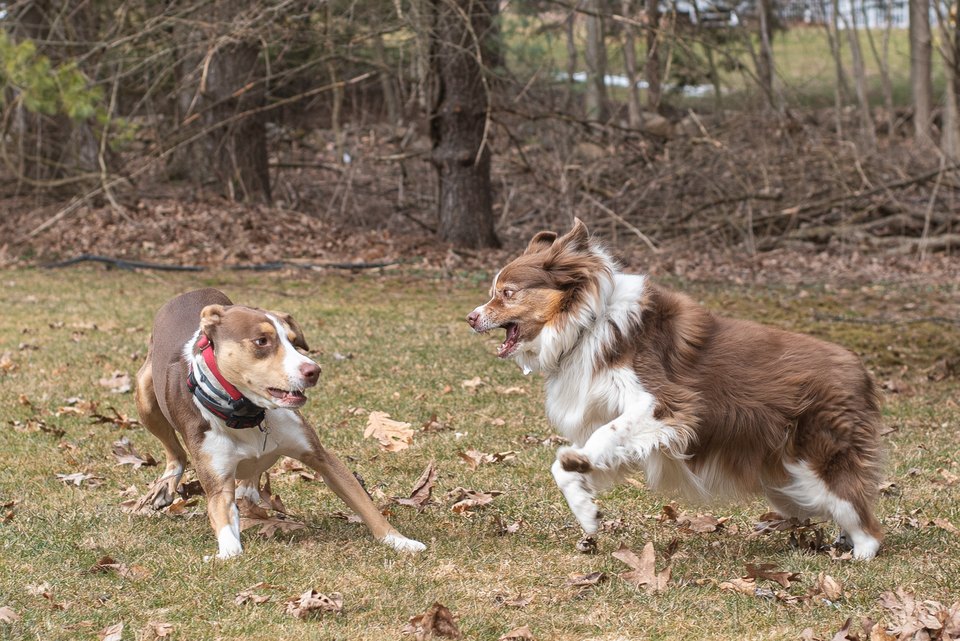
Other things can play a part too. The AKC lists isolation, too much time confined in a small space, anxiety from harsh house-training methods, and attention-seeking. Some dogs are just scavengers, and VCA notes that cat poop and other animals’ droppings can smell and taste appealing to a dog.
Please don’t punish your dog or “rub their nose in it.” VCA calls that outdated, inhumane and useless, and it may even make the habit worse.
Health check
When to call your vet
Most poop eating is behavioral, but VCA says medical causes should be ruled out first. If your adult dog starts eating poop, the AKC recommends checking with your vet. Things your vet may look into include:
- Parasites. VCA calls a stool test the minimum first step.
- Poor absorption of nutrients, or a diet that’s hard to digest or not enough food.
- Conditions or medicines that increase appetite, such as diabetes, Cushing’s disease, thyroid disease or steroids.
One detail worth knowing: VCA says that if your dog keeps eating one particular dog’s poop, that other dog should be checked too, in case it isn’t digesting its food well.
Eating poop can also carry health risks. The AKC notes that other animals’ stools may carry parasites, bacteria or viruses, and some, like salmonella, can spread to people. Your vet can tell you how often your dog should have a stool test.
At home
What helps at home
VCA says the best fix is preventing access: keep your yard clean and supervise your dog outside. A routine like this one, based on VCA’s advice, is a good place to start:
- Go out with your dog. Stay with them for potty breaks instead of opening the door and walking away.
- Call your dog to you right after they go. Ask for a sit and give a really good treat. Over time, coming to you can become the new habit.
- Clean up right away. Pick up the poop before your dog is left alone in the yard.
- Keep the litter box out of reach. The AKC suggests a baby gate, or a covered or top-entry litter box, and keeping the box clean.
If you have a cat and a dog, this matters when you travel, too. Litter care is part of our pet sitting visits, so the box doesn’t sit full and tempting while you’re away.
We scoop the litter at every visit.
For puppies, a steady potty routine makes all of this easier. Our posts on potty training your puppy and how often a puppy needs to go out have more on that.
On walks
Keeping it in check on walks
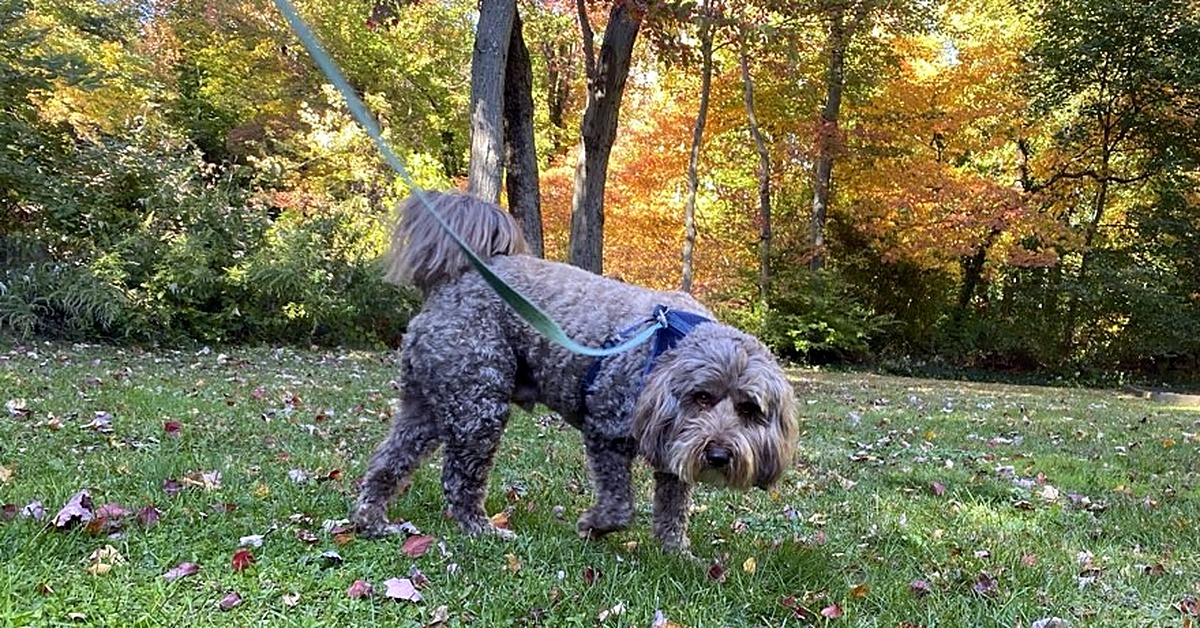
Walks are full of temptations. The AKC says some dogs find horse manure and goose droppings especially appealing, so a route past a pond or a busy field can be a challenge.
- Keep your dog close in tempting spots. A shorter leash near grassy edges makes it easier to steer them past.
- Reward walking past. Treat and praise your dog for ignoring what’s on the ground.
- Pick up after your own dog right away. That way there’s nothing left to go back for.
Our walkers keep every walk on a leash, which makes it much easier to steer a dog away from what’s in the grass. If your dog has this habit, tell us at your meet & greet so your walker knows to watch for it. Some dogs eat poop when they’re bored or spend long stretches alone, and a midday dog walk can help break up the day.
We try to steer them away, and keep their attention on the walk.
If you’ve tried the basics and it’s not getting better, ask your vet, or work with a certified trainer or behaviorist. Here’s how to tell them apart.
Products
Do poop-eating deterrents work?
There are many chews and powders that claim to make poop taste bad. In the UC Davis survey, owners reported very little success with them. Across 11 products, only 0 to 2% of owners said the habit was resolved. Behavior and management techniques owners tried did only a little better, at 1 to 4%. That’s why prevention matters so much.
VCA describes one veterinary food additive (wheat gluten plus monosodium glutamate, sold as For-Bid) that can make stool taste bad. It notes the additive may not be recommended for pets with kidney disease. Talk to your vet before adding any supplement to your dog’s food.
FAQ
Common questions
Will my puppy grow out of eating poop?
Usually. The AKC says the habit tends to fade before a puppy is about 9 months old. Keep the yard clean and supervise potty breaks in the meantime so it doesn’t turn into a long-term habit.
Why does my dog eat cat poop?
The AKC explains that cat poop may smell like cat food to a dog. It can carry parasites and bacteria, so keep the litter box out of your dog’s reach.
Is my dog missing something in their diet?
Maybe, but diet alone doesn’t seem to explain it. In the UC Davis study, diet didn’t separate poop eaters from other dogs. VCA notes that poor absorption, a hard-to-digest diet or not enough food can play a part, so it’s worth a vet visit if you’re unsure.
Our team is based in Cheshire and walks and cares for dogs in Southington, Wallingford, Hamden, North Haven, Meriden and New Haven. You can see the whole service area in one place.
Need a hand with midday walks?
Tell us about your dog and your schedule, and our office will reach out to set up your meet & greet.
or call or text 203-439-0456
Sources (checked Nov. 23, 2026): Hart et al., The paradox of canine conspecific coprophagy (Veterinary Medicine and Science, 2018); AKC, Why does my dog eat poop?; AKC, Why do dogs eat cat poop?; VCA, Dog behavior problems: coprophagia; VCA, Wheat gluten + monosodium glutamate. This post is general information, not veterinary advice.