Dog behavior · Barking
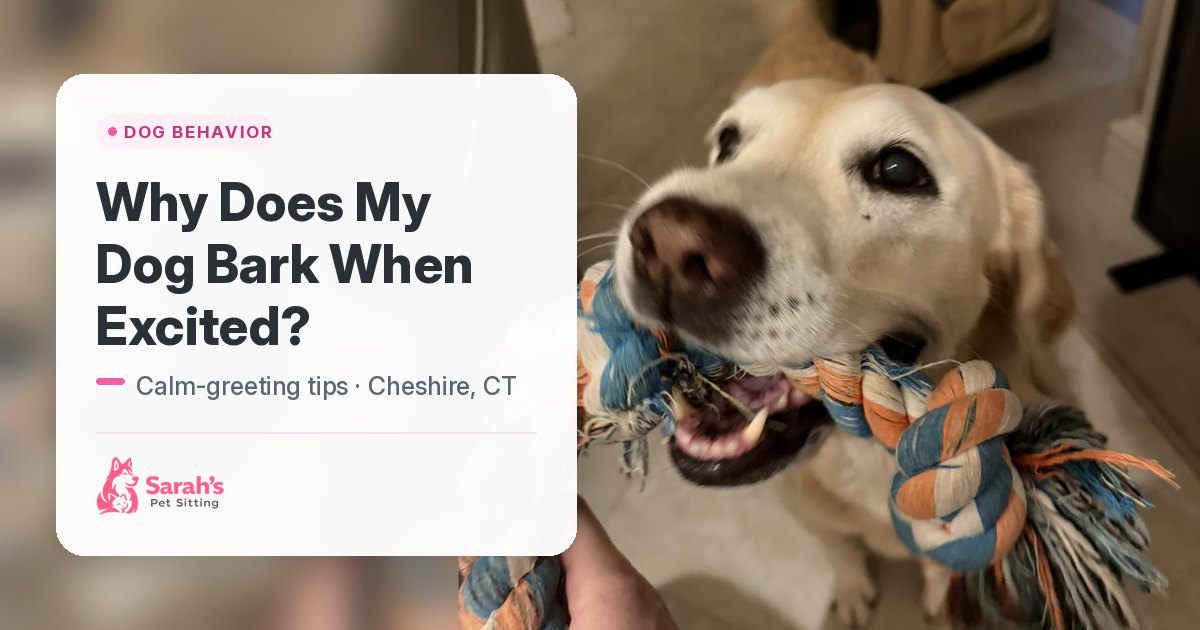
Why Does My Dog Bark When Excited?
Most excited barking comes from a happy dog with more energy than manners. Here’s what it means and the calm habits that help.
Quick answer
Most excited barking is greeting or play barking. Your dog is happy and wound up, and barking is where the energy goes. Yelling usually makes it louder, because to your dog it sounds like you’re barking too. What helps: keep hellos low-key, give your dog a job at the door (sit, go to a mat, or hold a toy), reward quiet, and make sure your dog gets enough exercise. If the barking is new or sudden, check with your vet first.
At a glance
If your dog greets every knock, every leash jingle and every family member coming home with a round of barking, you’re in good company.
A happy bark is still a loud bark. It’s hard to say hello to a guest, or hear yourself think, when your dog is that thrilled to see everyone. The good news is that excited barking is usually easy to spot once you know what to look for, and a few small habits go a long way.
Read your dog
Is it really excitement?
The ASPCA describes greeting barking as barking when your dog sees people or other dogs while the body is relaxed, the tail is wagging and the dog is clearly excited. Some dogs whine too. A greeting barker usually sounds the same when you come home as when a guest walks in.
Excitement can also turn into frustration barking, when your dog wants something and can’t get to it yet. Think of a dog barking at the dog next door through the fence, at a squirrel through the patio door, or at you while you hunt for the leash.
If the body looks stiff, or your dog lunges forward a little with each bark, that’s more like alarm or territorial barking, and it needs a different plan. The tips below are for the happy, wiggly kind.
What not to do
Why yelling makes it worse
This was the main point of the original version of this post, and it still holds up. The AKC says not to yell at a barking dog. Even negative attention is attention, and to your dog it only sounds like you’re barking too. Humane World for Animals (formerly the Humane Society of the United States) puts it simply: yelling won’t reduce barking.
The ASPCA adds that eye contact, touching, scolding or talking to a barking dog can all count as attention. So the calmer and more boring you stay in that moment, the better.
At the door
Calmer greetings at the front door
If the front door is your dog’s big moment, these steps from the ASPCA and the AKC can help:
- Keep hellos low-key. Big, happy greetings when you walk in can wind your dog up even more. Say hi once your dog has settled.
- Give your dog a job. Teach a sit and stay, or “go to your spot” on a mat or bed, when no one is at the door. Practice it well before you try it with real guests.
- Keep a toy by the door. If your dog loves toys, encourage them to pick one up before greeting. A dog holding a toy is less likely to bark, even if there’s still some happy whining.
- Make the doorbell boring. The AKC suggests playing a doorbell sound while your dog licks a long-lasting treat, then slowly building up to “go to bed” when it rings.
- Let guests settle first. Ask visitors to come in and sit down, then wait about a minute before you release your dog to say hello. Use a leash if your dog might jump.
Dogs are usually super excited to see us. We try to get right down to business when we walk in, rather than standing idle at the door.
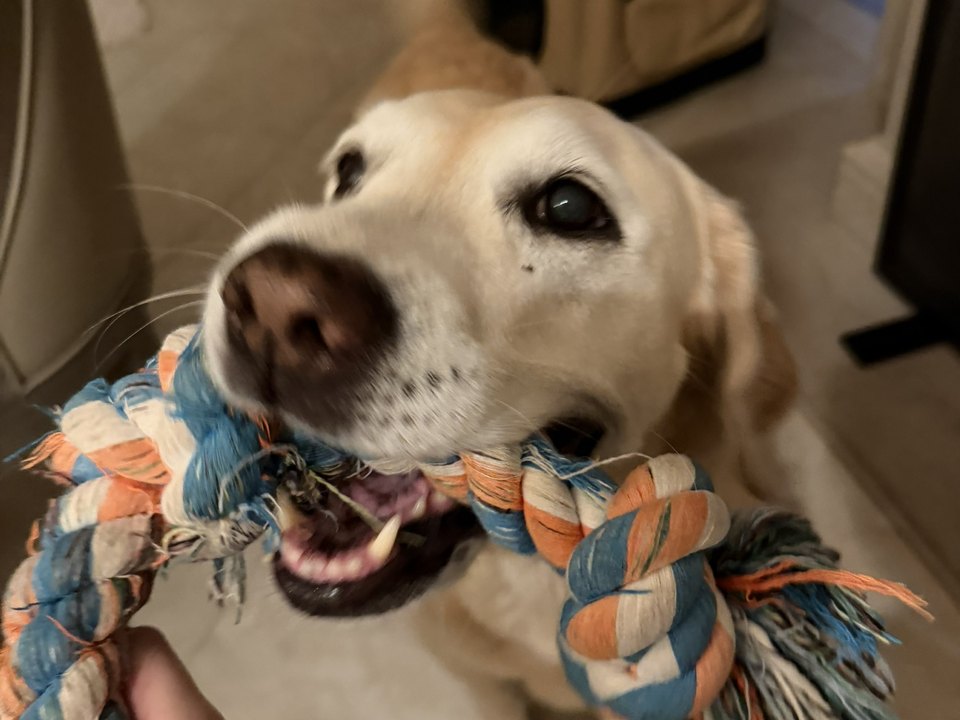
Around the holidays, the door opens a lot more than usual. If your dog gets too wound up with guests coming and going, a quiet room with a stuffed toy is a kind break, not a punishment. More holiday ideas are in our Thanksgiving pet sitter guide.
Play and walks
Barking at play time and before walks
Some dogs bark at their people to hurry things along while they get ready for a walk. Others bark during play or at dogs they see on walks because they want to go say hi.
The ASPCA’s advice for this kind of barking is to build impulse control: ask your dog to wait, sit or stay before the fun starts. The leash goes on when your dog is quiet. The door opens when your dog is sitting. The ball gets thrown after a calm moment, not during a barking fit.
Watch for the build-up, too. Learn the signs that your dog is getting wound up, and catch them before the barking starts. That’s the time to step in, ask for something easy like a sit, or take a short break somewhere quiet. Once the barking is in full swing, it’s much harder to get your dog’s attention.
Our walkers keep every walk on a leash. If your dog tends to bark at other dogs because they want to play, mention it at your meet & greet so your walker knows what to expect. See how our dog walking visits work.
Reward quiet
Reward the quiet moments
Dogs repeat what works. If barking gets your dog what they want, they’ll bark more. The flip side is that quiet can be rewarded, too. The AKC outlines a simple way to teach “quiet”:
- Wait for your dog to stop barking, even for a second, and give a treat right away.
- Slowly ask for longer stretches of quiet before the treat comes.
- Once you can tell when your dog is about to stop, say a cue like “quiet” just before, then reward.
The ASPCA also suggests giving your dog attention, praise and the occasional treat when they’re calm and not barking, so quiet becomes the easy way to get noticed.
Be realistic, though. The ASPCA says the goal is less barking, not none, and some breeds are bigger talkers than others.
Exercise
A tired dog barks less
Humane World for Animals says a dog who gets enough physical and mental exercise every day is less likely to bark from boredom or frustration. Puzzle toys and play count, too. Preventing barking by tiring your dog out or giving them something to do is easier than stopping it once it starts.
On long workdays, a midday walk can take the edge off before everyone gets home. If you think boredom plays a part, we wrote about that in barking from boredom.
Get help
When to call your vet or a pro
The ASPCA notes that dogs sometimes bark because of pain, and recommends a vet exam to rule out medical causes before working on a barking problem. If the barking is new, sudden, or not like your dog, start with your vet.
We’re pet sitters, not trainers. If excited barking isn’t getting better, or your dog seems stressed rather than happy, a certified trainer or a behaviorist is the right next step. Here’s how to tell them apart: dog trainer, certified trainer or behaviorist.
One more thing: the ASPCA calls anti-bark collars punishment devices and says they aren’t recommended as a first choice. Many dogs learn to stay quiet only while wearing one.
FAQ
Common questions
Will my puppy grow out of excited barking?
Not on its own. Humane World for Animals says barking is normal dog behavior and puppies won’t grow out of it, but you can teach other ways to communicate and keep them busy so they bark less.
Should I just ignore my dog when they bark?
For barking aimed at you to get attention, the ASPCA and the AKC say yes: turn away and reward quiet. For greeting barking at the door, the ASPCA suggests giving your dog a job instead, like a sit or holding a toy.
Why does my dog bark at me when I come home?
Most likely it’s a happy hello. The ASPCA notes that greeting barkers usually bark the same way at family members coming home as at guests. Keep your own greeting calm and say hi once your dog settles.
Our team is based in Cheshire and cares for dogs at home in Southington, Wallingford, Hamden, North Haven, Meriden and New Haven. You can see the whole service area in one place.
Going away? Keep your dog’s routine going
Tell us about your dog, door greetings and all, and our office will reach out to set up your meet & greet.
Get Startedor call or text 203-439-0456
Sources (checked Nov. 23, 2026): ASPCA, Barking; Humane World for Animals, How to get your dog to stop barking; AKC, Understanding and managing excessive barking; AKC, Why dogs bark at the doorbell. This post is general information, not veterinary or behavior advice.