
Dog Breeds · For older adults
Best Dog Breeds for Seniors
Seven breeds that suit a lot of older adults, what each one asks of you day to day, and how to pick a dog you can enjoy for years.
Quick answer
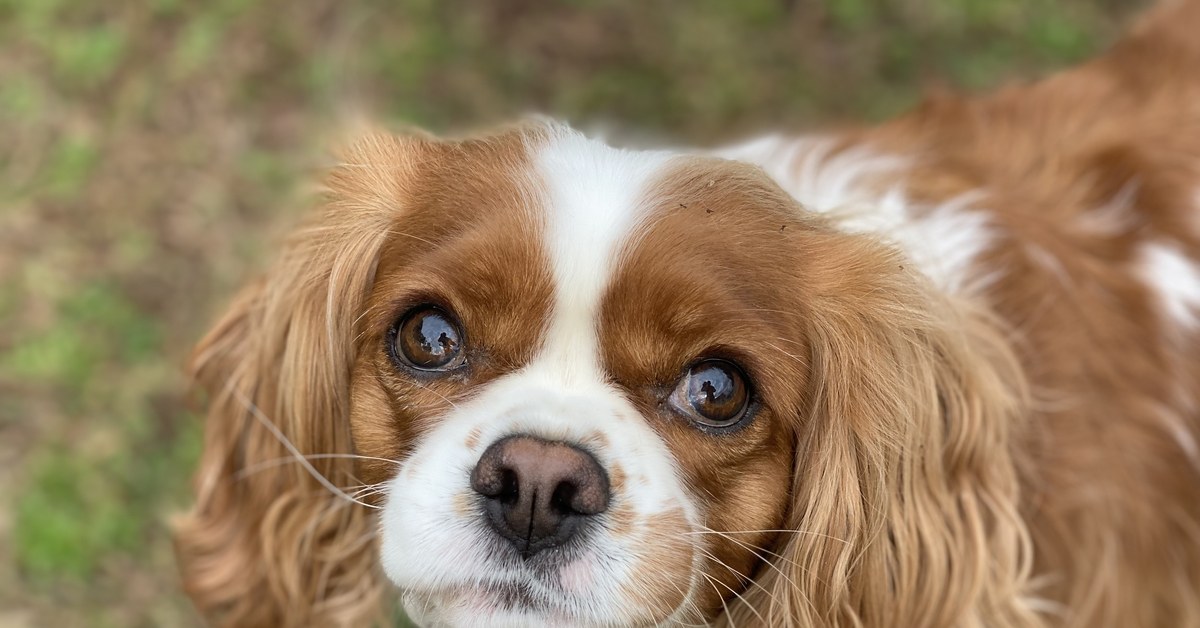
There isn’t one best dog for every senior, but a few breeds come up again and again: the Pug, Cavalier King Charles Spaniel, Shih Tzu, Bichon Frise and Boston Terrier are small, affectionate and happy with a calm day, and a retired Greyhound or a Poodle suits people who want a bigger or more active dog. Choose for the walks you’ll really take, the grooming you can keep up with and a leash you can hold comfortably. An adult dog from a shelter is worth a look too, because the staff can tell you what that dog is already like.
If you’re thinking about a dog for yourself, or for an elderly parent or grandparent, the breed matters less than you might think. I worked at a veterinary hospital before I started Sarah’s Pet Sitting, and my team and I have cared for dogs of every age and size around Cheshire since 2008. The thing I keep coming back to is fit: the right dog is the one whose energy, size and grooming needs match your day. Here are the breeds I’d look at first, what each one asks of you, and what to think about before you bring one home.
Before you choose
How do you pick the best dog breed for a senior?
Start with your own routine rather than the dog’s looks. These are the five questions I’d ask first.
- Can you comfortably hold the leash if the dog pulls? Dogs get older adults moving: in a University of Michigan poll of adults 50 to 80, 78 percent of dog owners said their dog helps them stay physically active. But a Penn Medicine study in JAMA Surgery estimated that fractures in people 65 and older linked to walking leashed dogs rose from about 1,700 in 2004 to about 4,400 in 2017, and hip and upper-body breaks were the most common. That’s why I’d choose a dog whose strength you’re comfortable with, and walk any dog you’re considering before you decide.
- How much walking do you want to do? Be honest about a rainy January morning. Some breeds are happy with short daily walks and indoor play, and others, like a Poodle, need good exercise every day.
- Who will do the grooming? A long coat needs brushing every day, and some breeds need a trip to a groomer every four to six weeks. Our list of professional dog groomers in Connecticut is a good place to start if you would rather leave it to a pro.
- How long will the dog be alone? Some breeds don’t like long stretches without company. If you’re out for a good part of the day, plan for a midday break for the dog.
- Who steps in if you can’t? Name a backup person now, not later. There’s more on that at the end of this post, and the ASPCA has a pet planning packet you can use.
The breeds
Seven dog breeds for seniors and older adults
Every dog is an individual, so treat this as a short list to meet and walk, not a promise. Sizes, exercise and grooming below come from the American Kennel Club (AKC).
Pug
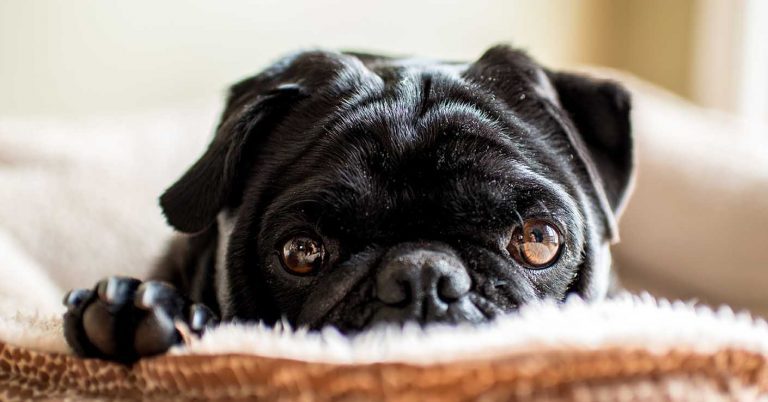
A Pug is a lot of dog in a small body. The AKC says Pug owners call the breed an ideal house dog, happy in the city or the country and as comfortable with older people as with kids. Given the chance, a Pug will spend much of the day on the sofa with you, which is also the catch: they love their food and gain weight easily, so measure meals and keep up the daily walk.
Heads-up: Pugs are flat-faced, so they can have trouble breathing and do poorly in hot or humid weather. The AKC also lists eye problems, so ask a breeder about health testing, or ask a rescue what they know, and keep summer walks short and early.
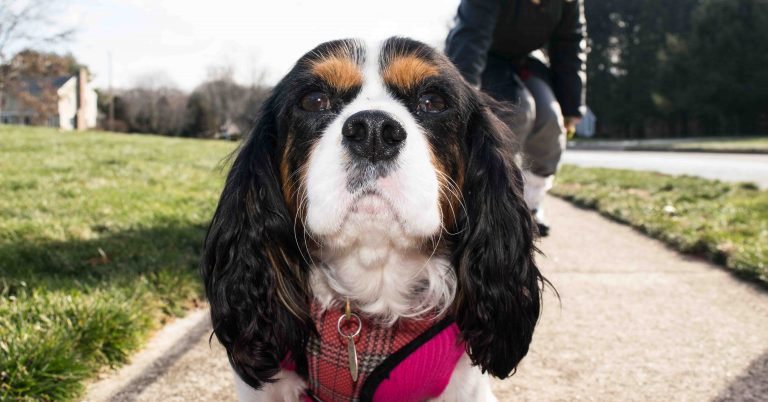
Cavalier King Charles Spaniel
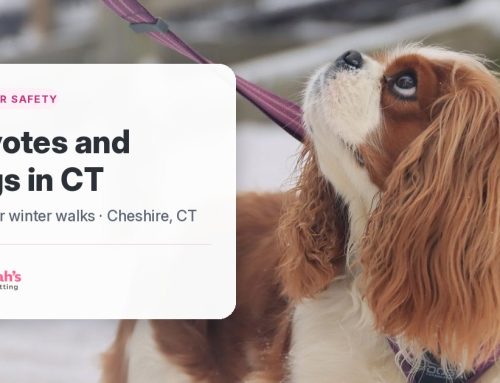
Cavaliers are what many people picture when they say lap dog. The AKC describes them as adaptable, doing equally well with active owners and homebodies, friendly with strangers and other animals, and good therapy dogs. That makes them a flexible pick if your energy changes from season to season.
Heads-up: The AKC lists several health issues in the breed, including mitral valve heart disease and eye conditions, so ask a breeder for health test results. Cavaliers also keep their hunting instincts and may not come back when called if they catch a scent, so keep them on a leash and, if you can, give them a fenced yard.
Shih Tzu
The AKC says the Shih Tzu was bred to be a house companion, and it shows. They do well in an apartment or without a big backyard, and their idea of fun is sitting in your lap while you watch TV. If you want a dog that doesn’t need much exercise, this is the breed I’d look at first.
Heads-up: The AKC says Shih Tzu tend to charm their owners into letting them have their own way, which can lead to a chubby, not-quite-housebroken dog, and that heavy coats and short faces make heat hard on them. If daily brushing sounds like a lot, ask a groomer what upkeep a shorter clip would need.
Bichon Frise
Bichons are small, sturdy and cheerful. The AKC calls them adaptable companions who get along with other dogs and children, and confident enough for city life. The AKC describes long stretches of calm broken up by short bursts of high activity, so a little playtime each day goes a long way.
Heads-up: The AKC says Bichons have a reputation for being hard to housebreak and need to be with their family, since unwanted behaviors are likely if they’re regularly left alone for long periods. If you hit accidents with any dog, our post on why your dog is peeing in the house covers what to check first.
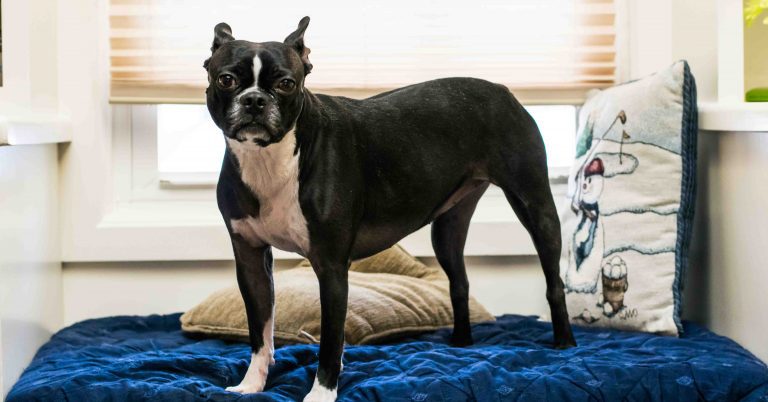
Boston Terrier
Bostons are compact, people-oriented little dogs. The AKC says they’re sturdy but portable and always up for a brisk walk, which makes them a natural fit for town and city living. They’re funny, too. If you like a dog with a bit of personality who also fits in a small home, this is a good breed to meet.
Heads-up: Like Pugs, Bostons are flat-faced and need shelter from heat and humidity, and the AKC says their eyes should be checked daily for redness or irritation. It also notes that a backyard doesn’t count as exercise (they tend to sit at the door waiting to come in) and that a Boston left alone for long periods can get frustrated.
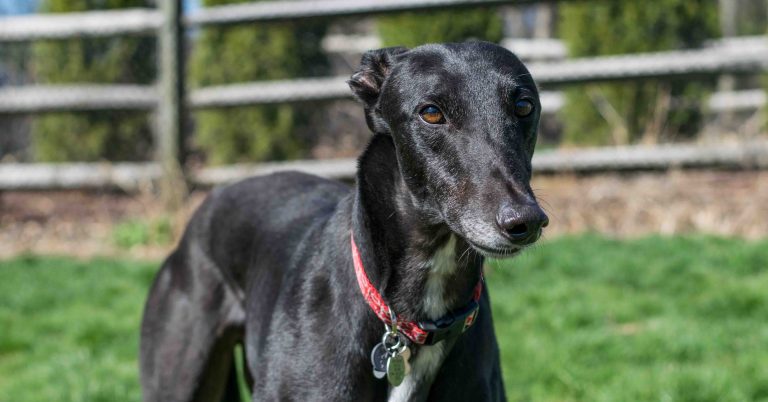
Retired Greyhound
A Greyhound can be a surprise on this list. The AKC calls the breed gentle, noble and sweet-tempered with an independent spirit, and says they’re perfectly happy to lounge around the house all day. Many are retired racers, and Connecticut has groups that find them homes: Connecticut Greyhound Adoption (it accepts applications from Connecticut and Rhode Island residents) and We Adopt Greyhounds, a volunteer group founded in Glastonbury in 1992 that also places other sighthounds.
Heads-up: This is a 60-pound-plus dog, so please walk one before you commit, given the fall numbers above. Greyhounds chase what they see and, says the AKC, should only be off leash in a securely fenced area. They’re deep-chested, which raises the risk of bloat (a sudden, life-threatening swelling of the stomach). Learn the signs and get help right away if you see them.
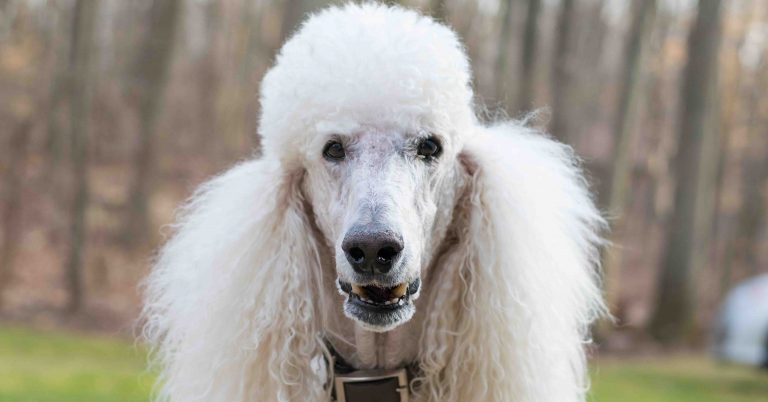
Poodle
Forget the fussy reputation. The AKC describes Poodles as eager, athletic and very smart, and they pick up new things quickly. A Poodle is a good match for an older adult who still likes a long walk or a game of fetch and wants a dog who joins in. It isn’t the pick if you want a sofa dog.
Heads-up: Standards are the bigger, stronger dogs (taller than 15 inches, with males 60 to 70 pounds), and the AKC lists bloat as a higher risk in standards. If you’re worried about leash strength, a miniature, 15 inches or under, is the easier size to handle. Our groomer list helps with the coat.
Finding the fit
Which breed fits which situation?
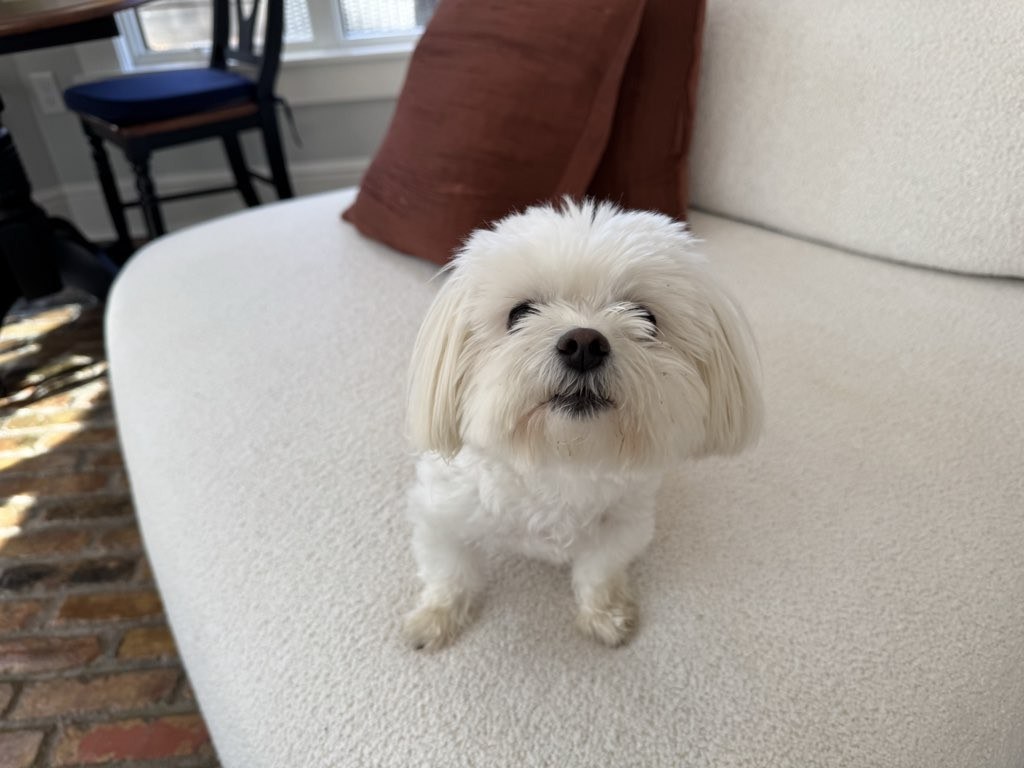
Our sitters see a lot of small lap dogs, like Shih Tzus, Cavaliers, Pugs and dogs like them, doing well with older clients. Beyond that, match the dog to the walks, the grooming and the leash you can handle.
- You live alone and want a lap dog. A Cavalier or a Shih Tzu. The AKC says Cavaliers are just as glad to stay on the sofa as to go out, and that Shih Tzu were bred to be house companions.
- You live in an apartment or a small home. Shih Tzu, Bichon Frise, Boston Terrier and Pug are all small, and the AKC describes each as comfortable in town or city living.
- You would like to keep walks short. A Shih Tzu needs the least exercise of the group, and a Pug is a moderate walker. Every dog still needs to go out, so plan for the days you aren’t up to it.
- You still love a long walk. A Poodle will keep up with you, and the AKC says a Cavalier enjoys moderate exercise and outdoor activities.
- You want a dog that sheds very little. The AKC says Bichons shed very little, and calls the Poodle coat relatively non-shedding. Both need regular grooming.
- You want a bigger dog. A retired Greyhound or a standard Poodle, with the leash-strength caution above.
Adopting
What about an adult dog or a mixed breed?
Breed is only a starting point. An adult dog from a shelter is often a good match. The Animal Humane Society says adult dogs have more predictable personalities, which makes it easier to find one that suits your home. It adds that they tend to be calmer than puppies and need less supervision, and that even an adult dog who isn’t quite housetrained can hold it longer than a puppy, so there are fewer accidents.
The Humane Society of North Texas notes that many dogs around age seven and older already know basic commands, may be housetrained and may walk well on a leash. That varies from dog to dog, so ask the shelter about the one in front of you: house manners, leash manners, energy level and how the dog does alone.
Close to home, our guide to pet rescues in Connecticut lists animal control and rescue groups in Cheshire, Wallingford, North Haven, Meriden and New Haven, plus the Greyhound groups above. Our post on what to look for when adopting a dog has more questions to bring along.
If you would rather start at a local shelter, the Town of Cheshire Animal Control page says the facility can board and care for up to 18 dogs, and that you can adopt by downloading and sending in its dog and cat adoption application.
Getting out together
Where can you walk a dog around Cheshire?
If you live in or near Cheshire, the Farmington Canal Linear Trail, the Cheshire section of the longer Farmington Canal Heritage Trail, is hard to beat. The town’s trail map describes a paved, 7.45-mile trail from Mount Sanford Road to the Southington town line, handicapped accessible along its whole length, with benches and picnic tables along the way. Our guide to dog parks and trails near Cheshire lists it as an on-leash trail and covers other places to walk nearby.
Some days the walk just isn’t going to happen: a sore knee, ice on the sidewalk or a long doctor’s appointment. That’s what our team is for. Our walkers do leashed dog walks in Cheshire, Southington, Wallingford, Hamden, North Haven, Meriden and New Haven, and the shorter potty-break walks are meant for senior dogs, puppies and midday breaks. If you need more than a walk, we also do in-home visits and overnight stays when you travel. If you already have an older dog, see our post on pet sitting for older dogs.
Your backup plan
Who steps in if you can’t?
This is the one part of getting a dog that people skip. The ASPCA suggests a simple pet plan: a wallet card that tells emergency responders you have a pet at home and lists two emergency contacts, a contact sheet where it can be seen in your home, and a pet portfolio with your dog’s feeding habits, medications, vet details and behavior. It also says to choose your caregivers ahead of time and check in with them every so often, since a neighbor or friend can often step in if you’re hospitalized.
Keep your vet’s number handy, and save a 24-hour emergency hospital too. Our list of emergency vet hospitals in Connecticut includes one in North Haven, and our post on choosing a veterinarian can help if you don’t have a regular vet yet. Having that portfolio ready also makes it easy to tell a sitter or walker what your dog needs.
Want a hand with your dog?
Tell us about your dog and the help you’re looking for, whether that’s a midday walk, regular visits or overnights while you travel, and our office will reach out to set up your meet & greet. Existing clients can request visits through the client portal or app.
Get Startedor call or text 203-439-0456
Sources (checked Nov. 5 and Nov. 11, 2026): University of Michigan, Pets help older adults (National Poll on Healthy Aging); Penn Today, Is dog walking hazardous to senior health?; JAMA Surgery release, Fractures in Elderly Americans Associated With Walking Leashed Dogs; AKC, Pug; AKC, Cavalier King Charles Spaniel; AKC, Shih Tzu; AKC, Bichon Frise; AKC, Boston Terrier; AKC, Greyhound; AKC, Poodle (Miniature); AKC, Poodle (Standard); Town of Cheshire, Animal Control; Connecticut Greyhound Adoption; We Adopt Greyhounds; Animal Humane Society, benefits of adopting an older dog; Humane Society of North Texas, Senior dogs for adoption; ASPCA, Making a Plan for Your Pet; Town of Cheshire, Farmington Canal Linear Trail map; Connecticut State Parks, Farmington Canal Greenway State Park.