Pet Care Tips · Dogs & cats
Cures for a Bored Pet During Pet Sitting
How our sitters keep dogs and cats busy and settled while you’re at work or away, and what you can set up before you leave.
Quick answer
A bored pet needs two things: something to do, and someone to do it with. On our visits, that means a leashed walk or a game of fetch for dogs, play and lap time for cats, and the toys and treats you leave out for us. A frozen, stuffed KONG keeps a lot of dogs busy for a good while. If your dog seems panicked when you leave, not just bored, that can be separation anxiety, and it’s worth a talk with your vet.
At a glance
Pets don’t read the calendar. They just know the house is quiet and you’re not in it.
Whether you’re at work for the day or away for a week, a bored dog or cat will find something to do, and it isn’t always something you’ll like. I started Sarah’s Pet Sitting in 2008 after working as a veterinary technician, and keeping pets happy at home is most of what our team does all day. Here’s what we do on visits, and what helps before you go.
Bored or anxious?
Is my pet bored, or is it something else?
A dog who barks once or twice at a strange noise outside is just letting you know. That’s normal. A dog who barks on and on when he’s home alone is usually missing you or bored.
The ASPCA draws a helpful line here. Bored dogs can chew, dig or make a mess when they’re left alone, but they usually don’t look anxious. Dogs with separation anxiety get upset as you get ready to leave, and the barking, chewing or accidents happen only when they’re alone.
Boredom is the easier one to fix. The American Kennel Club notes that the sights, sounds and smells beyond your house help prevent boredom habits like barking and chewing, and that a dog left in the yard often just lies in a favorite spot. If you think it’s anxiety, start with your vet, since the ASPCA recommends ruling out medical problems first.
Wondering about the barking? Read whether your dog is barking because he’s bored.
Dogs
How we keep a bored dog busy
Every dog is different, so we go by your instructions and by what your dog tells us.
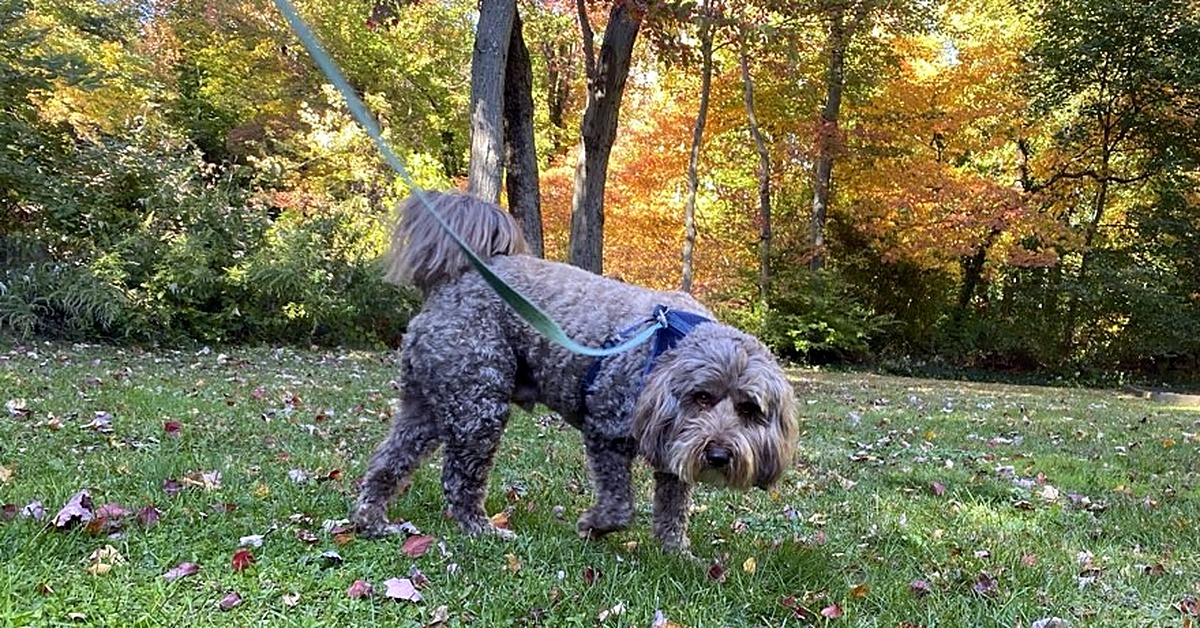
- A walk around your neighborhood. Our walks are always on a leash, starting from your door. We don’t take dogs to dog parks.
- Fetch. We can throw a ball for your dog in the yard, or in the house if that’s allowed, to burn off some energy.
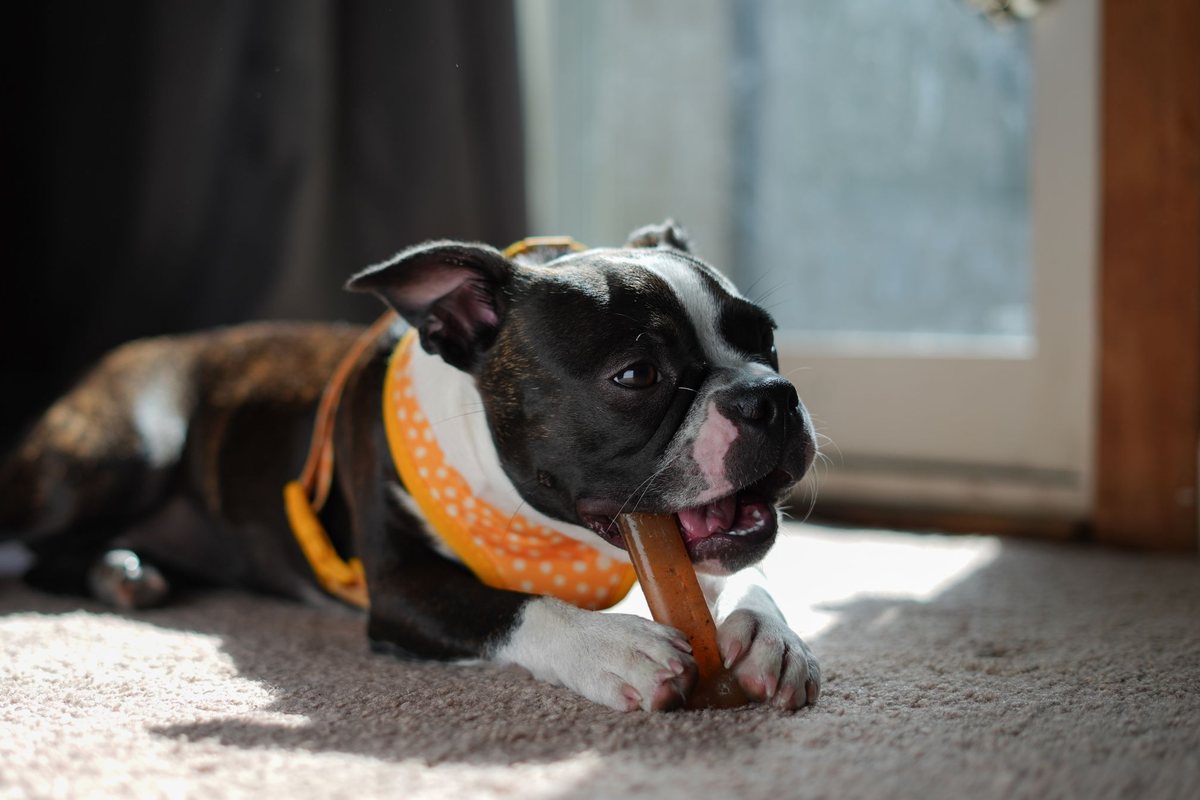
- A stuffed KONG. Our sitters see a lot of KONGs, and we stuff them when you leave them out. See how below.
- The TV or radio. Some dogs settle better with a little noise. Tell us the station they like and we’ll turn it on.
- Their favorite things. You know your dog’s favorite toys and treats better than anyone. Leave some out and we’ll use them on our visits.
For dogs who need more exercise, our dog walking visits run from a 15 to 20 minute potty break to a 30 to 45 minute walk or longer. Not sure how much your dog needs? Here’s how much exercise a dog needs.
KONG
How to stuff and freeze a KONG
This is the one I recommend most, and it’s easy to do before you leave.
- Fill it with your dog’s dry food.
- Seal the openings with peanut butter, cream cheese or pumpkin.
- Freeze it overnight.
- Leave it in the freezer for us. Tell us in your instructions, and we’ll give it on the next visit.
Check your peanut butter. Some peanut and nut butters contain xylitol, a sweetener the FDA warns is dangerous for dogs. Read the label and use one without it. Our post on xylitol dangers for dogs has more.
One treat I’d skip: rawhide. One of our sitters noticed her own dogs threw up after eating it, and Cornell’s vets note that rawhide can be a choking risk or cause intestinal blockages.
Cats
How we keep a bored cat busy
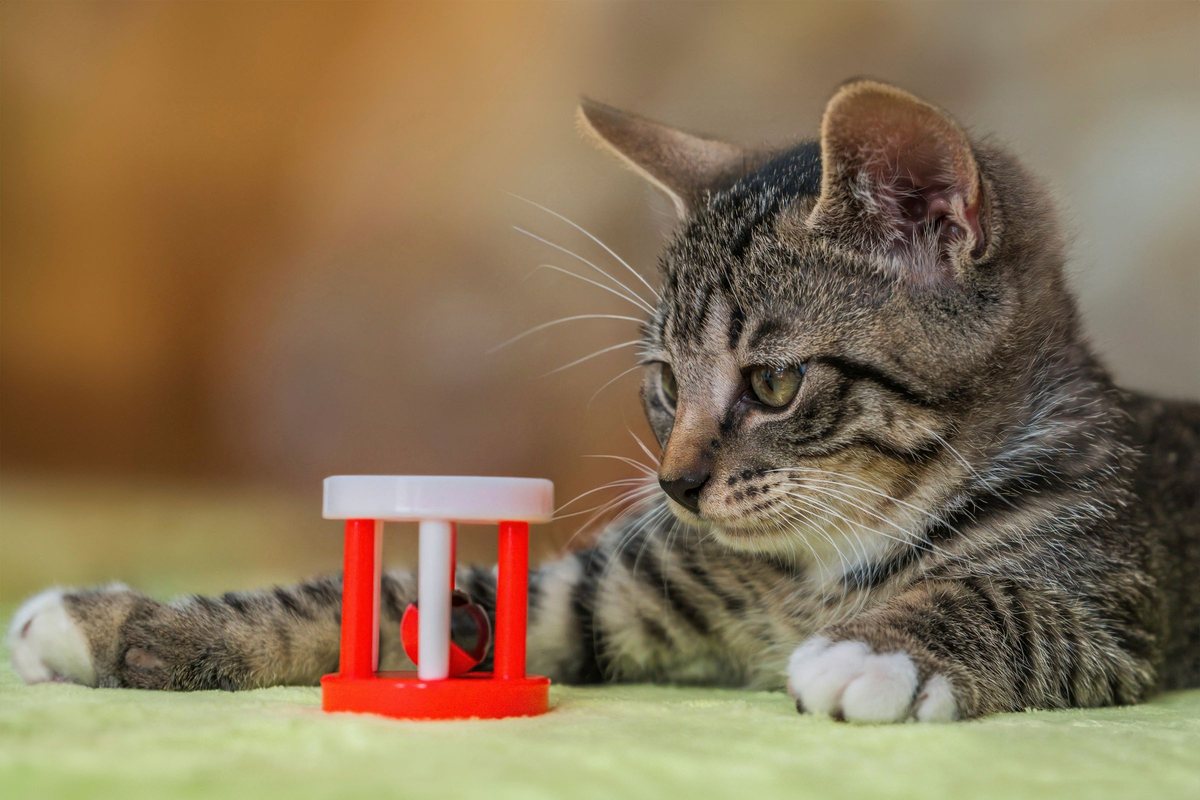
Cats get bored too, they’re just quieter about it. On our visits we play with your cat, and we make time for snuggles and pets if your cat wants them. A lot of cats are mellow and relaxed afterward.
Ohio State’s Indoor Pet Initiative explains why play works so well: cats don’t have to hunt anymore, but they still like to stalk and pounce. Their tips for a cat who’s home alone:
- Toys that move. Things that swing, jitter or roll remind cats of prey. Balls they can bat around are good for passing the time while you’re away.
- Make food a game. Put dry food or treats in a toy your cat has to work at, or hide a little food around the house.
- A window perch. A spot to watch the birds and squirrels outside gives a cat plenty to look at.
- Some background noise. Leave the radio or TV on, tuned to your usual station.
- Daily play. They suggest at least 10 minutes of play with your cat every day.
Empty cardboard boxes and paper bags count, too. Ohio State lists them as easy new things to explore. For more on cats at home alone, see caring for your cat while you’re away.
Before you go
What to set up before you leave
- Wear a T-shirt for a few days, then leave it with your pet. A veterinarian taught me this one years ago. Wear the same T-shirt for 5 or 6 days without washing it, and leave it where your dog or cat sleeps: in the crate, on the dog bed or on the cat tree. Pets have such a strong sense of smell that it gives them a sense of you while you’re gone. Our clients love it.
- Leave the good stuff out. Favorite toys, a stuffed KONG in the freezer, the treats your pet likes. Tell us where they are.
- Write down the routine. Walk times, the TV or radio station, the game your cat goes crazy for. The more we know, the more each visit feels normal.
- Plan enough company. A pet who gets one quick visit a day may be bored by the second. See the next section.
Visits
How many visits does a bored pet need?
Cats: Most of our cat clients book 1 to 2 visits a day when they travel. Our cat sitting page explains what a visit includes.
Dogs: Dogs usually need more company and more bathroom breaks than cats. Many families book several pet sitting visits a day, and for a dog who hates being alone at night, an overnight keeps someone in the house. Overnights start at $170 per night.
Our current rates are always on our Services & Pricing page. Tell us about your pet, and we’ll help you pick what fits.
Questions
Bored pet questions
Will you play with my pet, or just feed them?
We play. Walks, fetch, toys, lap time: whatever your pet enjoys and your instructions allow.
Can you give my dog a frozen KONG?
Yes. Leave it stuffed in the freezer and tell us in your instructions, and we’ll give it on a visit.
Do your walkers take dogs to the dog park?
No. Our walks are leashed walks from your home, around your own neighborhood.
Can you leave the TV or radio on?
Yes. Tell us the station or show your pet likes, and whether to leave it on when we go.
Our team is based in Cheshire and visits pets at home in Southington, Wallingford, Hamden, North Haven, Meriden and New Haven. You can see the whole service area in one place.
Want someone to keep your pet company?
Tell us about your pets and your dates, and our office will reach out to set up your meet & greet. Existing clients can request visits through the client portal or app.
Get Startedor call or text 203-439-0456
Sources (checked Nov. 12, 2026): ASPCA, Separation Anxiety; American Kennel Club, Can Dogs Get Enough Exercise in the Backyard?; Ohio State Indoor Pet Initiative, Toys; Ohio State Indoor Pet Initiative, Separation Anxiety (cats); Ohio State Indoor Pet Initiative, Environmental Enrichment; U.S. FDA, Paws Off Xylitol; Cornell University College of Veterinary Medicine, Holiday hazards for dogs. Visit and booking details come from our own policies and procedures and services pages. Sarah’s Pet Sitting isn’t affiliated with these organizations. This article is general information, not veterinary advice.